Vitamin D Sources
Fatty fish, fortified dairy products, and egg yolks are commonly listed sources in general nutrition references. Sunlight exposure is also frequently mentioned in public dietary guides.
Understanding how food groups interact helps you make confident decisions at the grocery store and in the kitchen. Our nutrition resources cover macronutrients, micronutrients, and practical label reading.
All information on this page is general education. It does not replace guidance from a licensed healthcare professional or registered dietitian.
Macronutrients
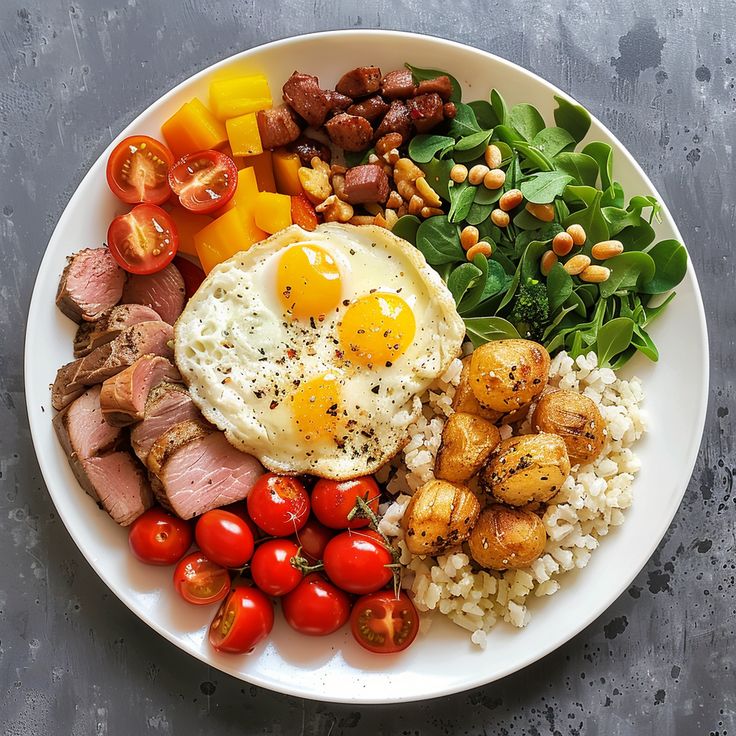
Carbohydrates, proteins, and fats are common components discussed in general nutrition education. A varied plate often includes portions from all three categories, adjusted to personal activity levels and preferences.
Found in grains, fruits, legumes, and starchy vegetables. Whole-grain and minimally processed options are commonly discussed in general dietary guides.
Included in many meals for fullness and variety. Sources include poultry, fish, eggs, dairy, legumes, nuts, and plant-based alternatives.
Used in cooking for flavor and texture. Common sources discussed in our materials include olive oil, avocados, nuts, and fatty fish.
Micronutrients
Vitamins and minerals appear in many everyday foods. The following overview is for general learning purposes and reflects commonly cited food sources in public dietary references.
Fatty fish, fortified dairy products, and egg yolks are commonly listed sources in general nutrition references. Sunlight exposure is also frequently mentioned in public dietary guides.
Red meat, spinach, lentils, and fortified cereals are often cited examples. Plant-based iron sources are commonly paired with vitamin C foods in recipe suggestions.
Dairy products, fortified plant milks, tofu, and leafy greens such as kale and bok choy are commonly referenced in general dietary education materials.
Whole grains, meat, eggs, and legumes are frequently listed as sources of various B vitamins in general nutrition education content.
Personalized Plans
Our personalized plans are educational frameworks for meal organization. They reflect your lifestyle, cooking skills, and food preferences.
Label Literacy
Understanding packaged food labels empowers you to compare products and identify ingredients that align with your preferences. We teach a straightforward method for evaluating serving sizes, ingredient lists, and nutrient panels.
Always check the serving size first, as all listed values reference that specific quantity rather than the entire package.
Ingredients appear in descending order by weight. The first three items typically represent the majority of the product composition.
Percent daily values indicate how a serving contributes to general daily intake recommendations for adults.
"Reduced fat" products may contain added sugars to compensate for flavor changes. Always compare the full nutrient panel.
General guidance suggests spacing meals every three to five hours, though individual schedules vary considerably.
Water remains the primary recommended beverage. Herbal teas and infused water offer variety without added sugars.
Educational Products
Visual guide categorizing common foods by group with suggested daily serving ranges based on general dietary guidelines.
Month-by-month availability chart for fruits and vegetables in the Northeastern United States region.
Curated list of versatile staples that form the foundation of varied home cooking across multiple cuisines.
Questions